Mexico is a nation full of life and culture. It’s shaped by ancient civilizations, indigenous groups, and Spanish influences. From the ruins of Teotihuacan to festivals honoring ancestors, Mexico’s traditions and customs are unique and fascinating.
The country’s past lives on in its art, architecture, and traditions. You can see this in the ancient city of Chichen Itza, taste it in the mole, or hear it in mariachi music. Mexico’s culture shows the strength, creativity, and spirit of its people.
Explore Mexico’s cultural treasures and feel the energy, colors, and stories that make it unforgettable for culture lovers.
Mexico: A Vibrant Tapestry of Traditions
Mexico’s culture is a mix of its indigenous roots and Spanish colonial influence. The Aztec, Maya, and Toltec traditions still shape its art, music, and food today.
Indigenous Roots and Spanish Influences
The indigenous people of Mexico have deeply influenced the country’s culture. Their traditions, like Aztec murals and Mayan music, give Mexico its unique identity. Spanish colonizers brought new styles in architecture, religion, and food, blending with the existing culture.
Diversity in Art, Music, and Cuisine
Mexican art, music, and food show the country’s rich cultural mix. Art and textiles reflect the skills of indigenous and mixed-race people. Music and dishes like mole and tacos de carnitas honor the country’s traditions.
From ancient Aztec ruins to lively folk music, Mexico’s culture shows the strength and creativity of its people. This mix of indigenous and Spanish influences has shaped a unique national identity. It continues to amaze and inspire people worldwide.
Ancient Civilizations: Legacies Etched in Stone
Mexico is full of ancient civilizations, each leaving behind a legacy that amazes people worldwide. The pyramids of Teotihuacan and the Mayan ruins of Chichen Itza show the rich culture of this amazing country.
The Magnificent Ruins of Teotihuacan
Teotihuacan is near Mexico City and shows the skill and culture of ancient Mexicans. You can see the Pyramid of the Sun and Pyramid of the Moon. These pyramids have murals and carvings that take you back in time.
Chichen Itza: A Wonder of the Mayan World
Chichen Itza is on the Yucatan Peninsula and still amazes everyone. The El Castillo pyramid is a key part of the site, showing the Mayans’ skill in building and astronomy. You can see the Temple of Warriors, the Ball Court, and the Cenote, a sacred sinkhole.
These ancient civilizations have made a lasting impact on Mexico’s culture. Their ruins and buildings inspire people from all over the world. Seeing these wonders up close is a humbling and amazing experience.
Iconic Art and Architecture: Masterpieces of Culture
Mexico’s culture shines through its art and architecture. Diego Rivera’s vibrant murals and the detailed colonial buildings show its rich heritage. The country’s art covers centuries, from pre-Columbian sculptures to Spanish colonial styles.
Artists like Rivera, Frida Kahlo, and José Clemente Orozco made a big impact on Mexico’s culture. Their art, often about social justice and the indigenous life, is in museums and public places. Mexico also has a great legacy of colonial architecture, seen in cities like Guanajuato and San Miguel de Allende.
From ancient Pre-Columbian sites to colonial buildings, Mexico’s art shows its people’s spirit and strength. These cultural treasures attract visitors worldwide, showing Mexico’s diverse heritage.

Vibrant Festivals and Celebrations
Mexico is famous for its colorful festivals that show off its rich culture. The Día de los Muertos, or Day of the Dead, is a key event. It honors the dead with special rituals, decorations, and traditional foods and music.
Day of the Dead: Honoring Ancestral Roots
The Day of the Dead mixes indigenous Mesoamerican beliefs with Spanish Catholic traditions. Families come together to remember their ancestors. They set up altars with marigold flowers, photos, and the deceased’s favorite foods and drinks.
This festival is full of joy, laughter, music, and sharing stories. People wear colorful costumes and paint their faces with skull designs. They join parades and processions. They believe the souls of the dead come back, and these celebrations welcome them and keep their memories alive.
The Day of the Dead shows Mexico’s deep cultural traditions. It blurs the line between life and death. Mexicans cherish this festival, honoring their past and celebrating today. It’s a key part of their identity, drawing people from all over the world.
Mexican Cuisine: A Delicious Cultural Mosaic
Mexico’s food is a mix of old traditions and new tastes. It’s like a colorful tapestry. The mole sauces and tacos show off the country’s rich culture and regional tastes. This makes Mexican food a key part of its food history.
From Mole to Tacos: Flavors of Tradition
Traditional dishes are at the core of Mexican food. The mole sauce, with its mix of chili peppers, spices, and chocolate, shows off the country’s cooking skills. Tacos, with their many fillings, show how Mexican cooks turn simple things into something special.
There’s more to Mexican food than just mole and tacos. Each region has its own special dishes. These dishes reflect the local land and traditions. From seafood dishes by the coast to stews and tamales in the highlands, Mexican food celebrates the country’s varied landscapes and its deep food culture.
Culture in Motion: Dance and Music
Mexico’s culture is full of dance and music. These arts show off the country’s mix of influences and traditions. They are a big part of what makes Mexico special.
Mariachi: A Musical Emblem of Mexico
Mariachi music is a key part of Mexico’s culture. These musicians wear traditional charro suits. They play trumpets, violins, guitars, and sing, making music that people all over the world love.
They keep the music and dance of their ancestors alive. This helps keep Mexican culture going strong.
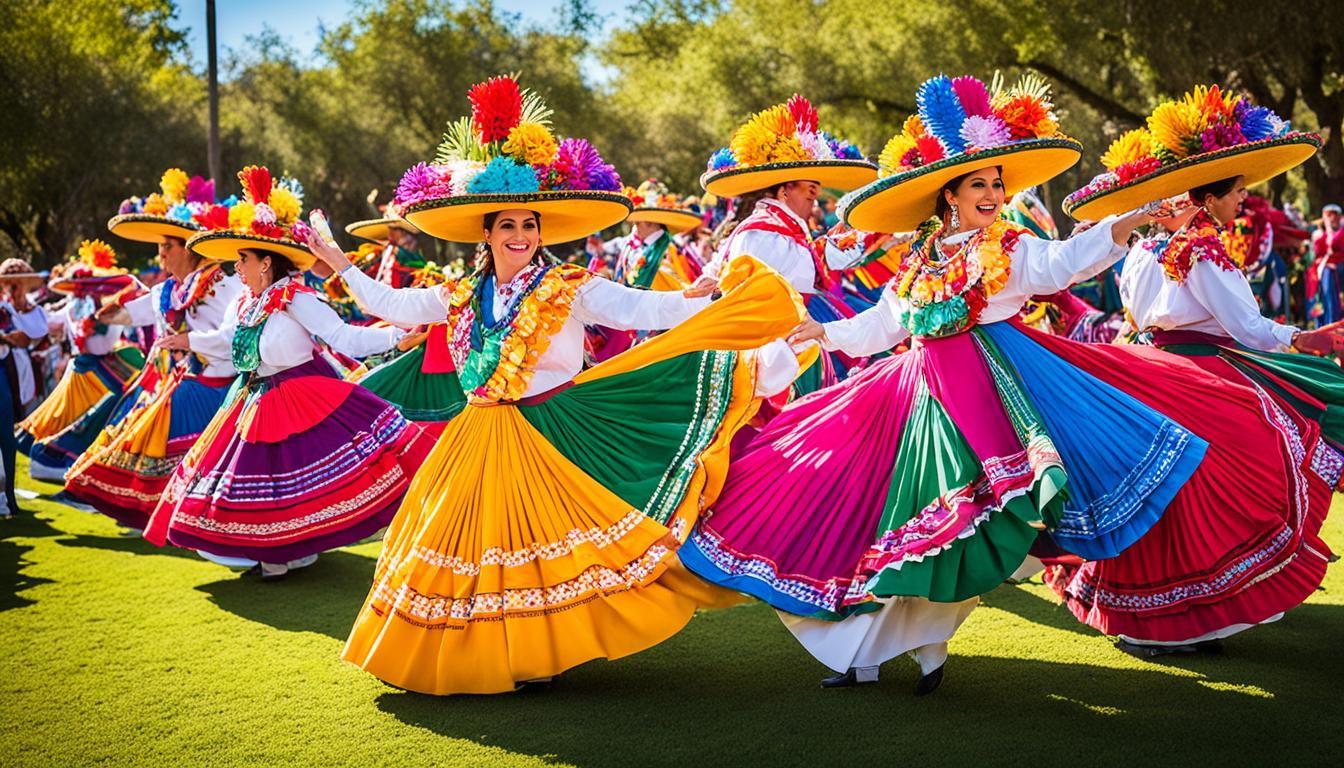
There’s more to Mexican culture than mariachi. Traditional dances like folklorico and Danza de los Voladores tell their own stories. These dances show the spirit of Mexico and how its people connect with their heritage.
Mexican dance and music bring people together, both in Mexico and around the world. They remind us of Mexico’s lasting traditions and creativity. This shows the strength and artistry of its culture.

Indigenous Communities: Preserving Ancient Wisdom
Mexico’s indigenous groups like the Nahua, Yucatec Maya, and Rarámuri protect the nation’s rich culture. They keep their traditions, art, and beliefs alive. This shows the lasting wisdom of Mexico’s indigenous roots.
The Oaxacan Zapotec’s detailed weavings and the Tarahumara’s lively dances are just a glimpse of Mexico’s cultural treasures. These communities have kept their traditions alive through the years. They live closely with nature, respect their ancestors, and have a deep understanding of the world. This shows how resilient and adaptable they are.
Keeping traditional knowledge alive is crucial for these communities. It connects them to sustainable ways of living that have worked for generations. The Nahua’s knowledge of medicinal plants and the Yucatec Maya’s farming methods show how they live in harmony with nature.
As the world gets more connected, it’s more important than ever to save these traditions. By supporting Mexico’s indigenous communities, we help keep their ancient wisdom and art alive. This way, they can continue to inspire and teach future generations.
The Art of Craftsmanship: Timeless Traditions
Mexico’s rich culture shines through its skilled artisans. They use traditional techniques passed down for generations. Their work, from pottery to metalwork, shows their talent and keeps Mexico’s culture alive.
Pottery: Sculpting Ancestral Traditions
Mexican pottery shows the country’s deep roots and ancient history. Artisans make detailed ceramic pieces with bright colors and patterns. These pieces are both useful and beautiful, admired worldwide.
Textiles: Weaving Cultural Narratives
Mexico’s textiles tell stories of its rich culture. Artisans in indigenous communities weave fabrics with detailed designs and colors. Items like rebozos and huipils are both useful and symbols of Mexico’s cultural diversity.
Metalwork: Forging Artistic Brilliance
Mexico’s metalwork highlights the country’s craftsmanship. Artisans use old techniques to make jewelry and sculptures. Their work shows their skill and the cultural influences on Mexico’s art.
Through pottery, textiles, and metalwork, Mexico’s artisans keep its culture alive. They share the beauty and skill of their work with the world.
Mexican Literature: Voices of a Nation
Mexico’s rich culture shines through its literature, filled with famous authors, poets, and storytellers. Works like Gabriel García Márquez’s magical realism and Carlos Fuentes’s deep social insights show Mexico’s complex history and diverse views. These stories help us see Mexico’s lasting cultural identity.
Over the years, Mexican writers have shared their nation’s soul through their stories. They take readers deep into Mexico’s culture, from its magical tales to its tough social issues. These stories are key to Mexico’s literary history, touching people all over the world.
Mexican poetry is also powerful, with poets like Octavio Paz and Rosario Castellanos exploring what it means to be Mexican. They share their views on identity, tradition, and life. The storytelling tradition is strong, thanks to indigenous communities keeping their stories alive. They offer unique views on the world.
When readers dive into Mexican literature, they start a journey through the country’s rich culture. It helps them understand and value Mexico’s complex and colorful heritage.
Exploring Mexico’s Cultural Treasures
Exploring Mexico’s rich culture is an amazing journey. You’ll see ancient ruins like Teotihuacan and Chichen Itza. These places show the country’s deep traditions.
But there’s more than just ruins. Mexico’s culture comes alive in festivals like the Day of the Dead. And the food, from mole to tacos, is a treat that shows off the country’s taste.
Visitors can also enjoy Mexico’s art, architecture, and music. These experiences let you see the many sides of Mexican culture. By exploring these treasures, you gain a deeper love for this unique place.