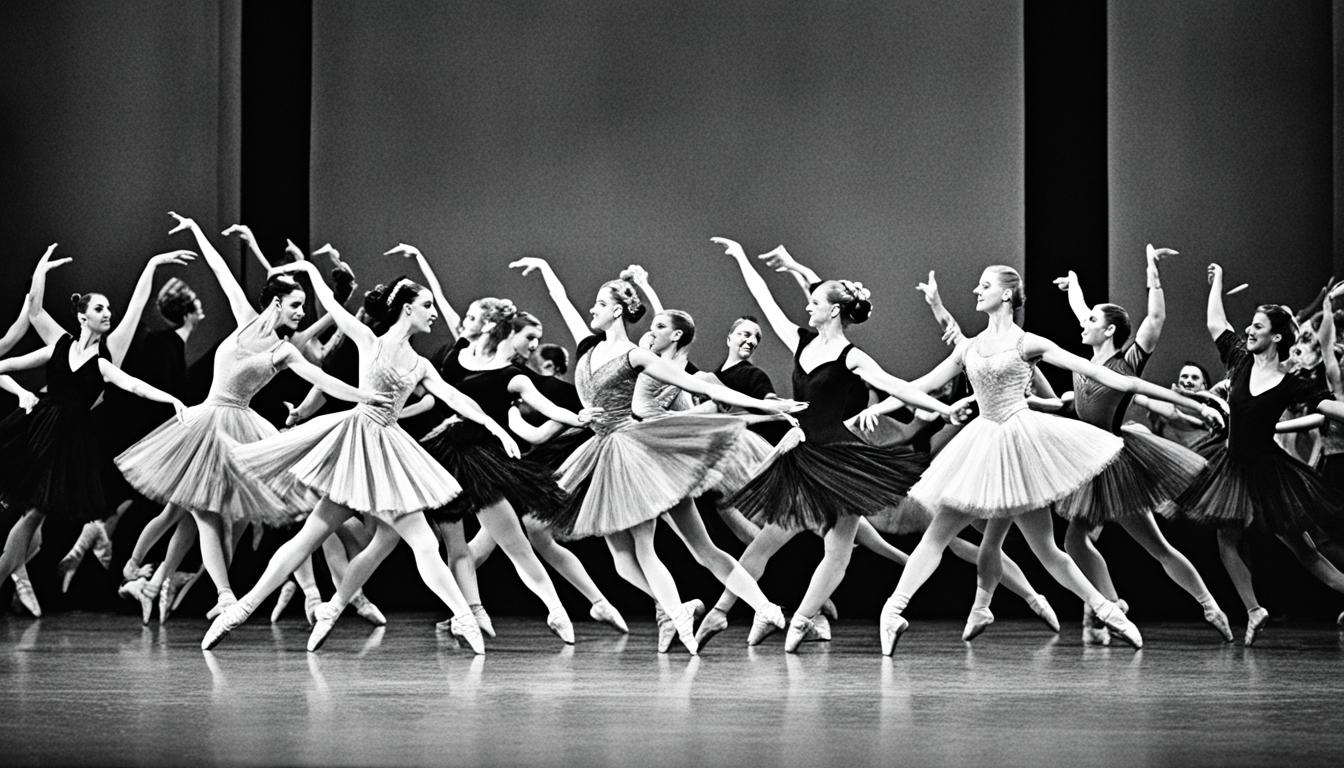
Dance has been a key part of human culture for thousands of years. It lets us express ourselves, connect with others, and celebrate. From ancient rituals to today’s modern performances, dance has changed a lot over time. This section will look at dance’s history and how it has influenced cultures and societies around the world.
The earliest humans used dance in religious rituals and celebrations. As societies grew, dance changed too, showing the new values and beliefs of each time. From the spiritual dances of ancient Egypt to the elegant ballet of the Renaissance, dance has always been a way for humans to express themselves.
In this article, we’ll dive into the rich history of dance. We’ll see how different cultures and art movements have shaped it. By learning about dance’s evolution, we can appreciate its lasting impact on human civilization.
Culture: Exploring the Role of Dance in Shaping Societies
Dance has been a key part of human culture for a long time. It’s a powerful way to shape traditions, beliefs, and identities. From old rituals to today’s social events, dance’s role is clear.
It helps keep and share values, customs, and ways of talking in communities worldwide. Dance connects people across language barriers, bringing them together through movement.
It shows up in many forms, like the spiritual dances of indigenous tribes, the elegance of the Renaissance, or the lively dances of today’s cities. Dance always shows its power to mirror and influence culture.
Looking into dance traditions from various cultures helps us understand how dance and society are connected. From ancient ritual dances to modern dance that challenges what’s possible, dance has always been key to being human. It shapes how we see and connect with the world.
Ancient Dance Traditions: Roots of Artistic Expression
Dance has been a key part of human history, shaping cultures across the globe. Ancient dance forms from early societies show this well, each with deep spiritual and ritual meanings. Let’s explore these traditions, starting with Egyptian dance and the dances of ancient Greece.
Egyptian Dance and Its Spiritual Symbolism
In ancient Egypt, dance was a big part of religious and spiritual life. These dances were more than just fun; they were a way to honor gods and connect with the supernatural. Dancers used their moves to bring the gods closer, linking the world of humans with the divine.
Dance was key in Egyptian life, from temple rituals to festivals. It showed the deep bond between the physical and spiritual worlds.
The Ritualistic Dances of Ancient Greece
In ancient Greece, dance was also a big deal for culture and religion. Greeks used dance in festivals and ceremonies to connect with their gods. Dances like the Dionysian ones showed deep respect and brought people together.
The dances of ancient Greece still inspire artists and scholars today. They offer a peek into the lively, spiritually rich world of the Greeks.
The Renaissance and the Birth of Ballet
The art of ballet started in the vibrant culture of the Renaissance. This was a time of great artistic and intellectual growth. Court dances and aristocratic entertainment began to evolve into a sophisticated dance form.
In Italy, the Renaissance laid the groundwork for ballet. Figures like Catherina de’ Medici were key in the early days of renaissance dance. They helped shape the history of ballet and its development.

As renaissance dance became more popular, it spread across Europe. France became a key place for ballet’s history and development. King Louis XIV started the first professional ballet company, the Académie Royale de Danse. This company helped make ballet techniques formal and created a training system.
The change from renaissance dance to history of ballet was slow. It was shaped by important choreographers, composers, and dancers. Today, ballet is still loved and is a big part of our culture.
The Rise of Social Dances: From Courts to Ballrooms
Dance has always shown how society changes. It moved from royal courts to ballrooms, becoming more open to everyone. The Baroque era brought elegance and sophistication, making dances like the Baroque dance popular among the aristocracy and middle class.
The Elegance of Baroque Dance
Baroque dance was known for its grace and complex steps. It became a sign of being refined and of high social class. These dances happened in fancy ballrooms, bringing people together and making social connections. They helped break down social barriers, letting everyone enjoy dance.
Waltz: A Revolutionary Dance Form
The waltz changed social dancing in the 18th century. Its flowing movements and close hold were new and exciting. It showed a new kind of freedom and made social lines fade away.
The waltz is still a big part of ballroom dancing today. Its impact on dance history is huge.
Modern Dance: A Rebellion Against Convention
A new generation of artists changed the dance world with modern dance. Isadora Duncan was a key figure in this change. She challenged the strict rules of classical ballet.
Isadora Duncan and the Free Spirited Movement
Isadora Duncan changed dance with her new style. She moved away from ballet’s strict rules. Instead, she used nature and the body’s grace for inspiration.
Her work started the modern dance movement in the early 1900s. Many dancers and choreographers were inspired by her. They began to focus on personal expression and feelings, not just technique.
Modern dance changed the performing arts world. It made dance more accessible to everyone. Isadora Duncan’s work still inspires dancers and choreographers today.
The Roaring Twenties: Jazz Dance and the Flapper Era
The 1920s was a decade of big changes, filled with the rise of jazz dance and the flapper lifestyle. This time saw a big shift in how people lived and what they valued. Young people found new ways to express themselves and feel free.
Jazz dance was at the center of this change. Its lively rhythms and energetic steps defined the Roaring Twenties. Flappers, young women with their short skirts, danced the Charleston. They showed the world a new kind of freedom and rebellion.

Jazz dance in the 1920s was more than just a trend. It showed deep changes in society. Dance floors became places where people could show who they were and what they believed in. The dance and flapper culture of the 1920s changed history in a big way.
Street Dance: Vibrant Expressions of Urban Culture
Street dance started in the heart of cities, where the city’s rhythm and energy sparked an artistic revolution. Hip hop and breakdancing lead this movement. They come from the culture and social life of marginalized groups.
The Birth of Hip Hop and Breakdancing
In the 1970s, the Bronx, a New York City borough, was where a musical and dance revolution began. Funk, soul, and R&B music filled the streets, giving birth to hip hop. This new dance style reflected the city’s energy and resilience.
Breakdancing became a key part of hip hop culture. Young dancers from different backgrounds showed off their skills on the streets. This dance was not just entertainment but also a way to express themselves and share their stories.
Street dance has grown and inspired people all over the world. Hip hop and breakdancing have created a world of art that tells the stories of city life. This dance shows the strength and creativity of urban communities.
Contemporary Dance: Pushing Boundaries and Defying Gravity
Contemporary dance has grown, pushing the limits of art. Choreographers and dancers use new styles and techniques. This has changed what we think dance can be.
It has moved away from the strictness of ballet. Now, dancers mix different styles and add modern and avant-garde touches. This has led to many new kinds of contemporary dance that surprise us and grab our attention.
Stars like Merce Cunningham and Martha Graham changed dance with their new ways of moving and making dances. They showed that dance can be more than just steps. Their work has made many artists want to try new things with their bodies.
Today, contemporary dance covers a wide range, from the dreamy to the intense. It lets dancers and choreographers try out new things. This keeps the art alive and growing, touching people all over the world.
The Future of Dance: Embracing Technology and Innovation
The dance world is changing fast, thanks to new tech. Now, we see virtual reality and motion capture technology changing how we make and watch dance. This is making the future of dance exciting and new.
AI-powered tools are changing how we make dance. They let dancers and choreographers try out new styles easily. These tools make making dance easier and bring new ideas to life. This opens up new ways for the dance community to express themselves.
Interactive dance shows are becoming popular. They let the audience join in through technology. This is changing how we see dance, making it more engaging for everyone. As dance takes on these new tech tools, we’re entering a time of immersive and exciting dance experiences. These will inspire and amaze people all over the world.