Storytelling is at the core of indigenous cultures worldwide. It’s a key way to keep cultural identity alive, share knowledge, and build community. Through stories, indigenous peoples have kept their histories and values going. They pass these down through generations.
Indigenous storytelling includes myths, legends, and folktales that shape their worldviews. These stories are not just for fun. They carry wisdom, linking past, present, and future. They help people understand nature, honor their ancestors, and value the connection between all things.
We’ll look at how storytelling helps preserve indigenous culture and share knowledge. We’ll see how myths and legends shape the community’s collective mind. Join us to learn about the lasting value of this art and its role in indigenous life.
Preserving Cultural Identity through Oral Traditions
Indigenous cultures have always used oral traditions to keep their history, beliefs, and way of life alive. Storytelling is key for sharing knowledge, values, and cultural practices from one generation to the next. Through myths, legends, and folktales, these communities have kept their unique identities and views, even when faced with colonization and modern changes.
Storytelling as a Means of Knowledge Transmission
Oral traditions are vital for sharing indigenous knowledge. Elders and storytellers keep this heritage alive by passing down stories and skills. These stories carry the wisdom, values, and experiences that have shaped indigenous cultures for centuries.
The Power of Myths and Legends
Indigenous myths and legends have a deep impact on worldviews and cultural identity. They often act as metaphors for human experiences but also show the unique beliefs of the communities that tell them. By keeping and sharing these stories, indigenous peoples stay connected to their ancestors and pass on important knowledge and traditions.
Keeping oral traditions alive is more than just looking back; it’s crucial for the ongoing cultural identity and knowledge sharing. As indigenous communities face modern challenges, storytelling is key for preserving their heritage and sharing it with the next generations.
The Art of Storytelling in Indigenous Communities
Storytelling is key in indigenous cultures. It helps keep traditional knowledge, cultural identity, and community ties strong. Indigenous storytellers use many techniques to grab their audience’s attention. They use metaphors, repetition, and call-and-response to bring their stories to life.
For generations, indigenous people have shared their stories. These stories include histories, myths, and legends. They keep cultural knowledge alive and build community. Storytellers use powerful language and interactive elements to keep their culture going.
Indigenous storytelling connects the past, present, and future. It’s a way to bridge time and space. As these stories evolve, indigenous communities are finding new ways to share them. This keeps the art of storytelling alive in their culture.
Storytelling and the Preservation of Languages
Storytelling is key to keeping indigenous languages alive. Many of these languages are at risk of disappearing. Telling stories in their native tongues helps to bring back and keep languages diverse.
By sharing oral traditions, communities keep their cultural links strong. This ensures their language and heritage continue to be passed down.
Revitalizing Endangered Languages through Stories
Indigenous communities worldwide are using stories to bring back endangered languages. They share myths, legends, and folktales in their own languages. This keeps their languages alive and shares important cultural knowledge with the young.
This practice builds a deeper love for the language and a stronger community identity. It makes the language more meaningful and connects people to their heritage.

Storytelling makes indigenous languages vibrant and important, fighting against the effects of globalization. It’s a way to celebrate and keep using these languages. Stories are deeply rooted in the culture of the people, making language revitalization a powerful act.
Culture and the Creation of Shared Narratives
Storytelling in indigenous cultures is more than just sharing knowledge and history. It’s a key way to build and strengthen community ties. By sharing stories, these communities create a shared narrative that highlights their values, beliefs, and identity. The storyteller is very important, acting as a keeper of cultural wisdom and helping to bring the community together.
The Role of Storytellers in Community Building
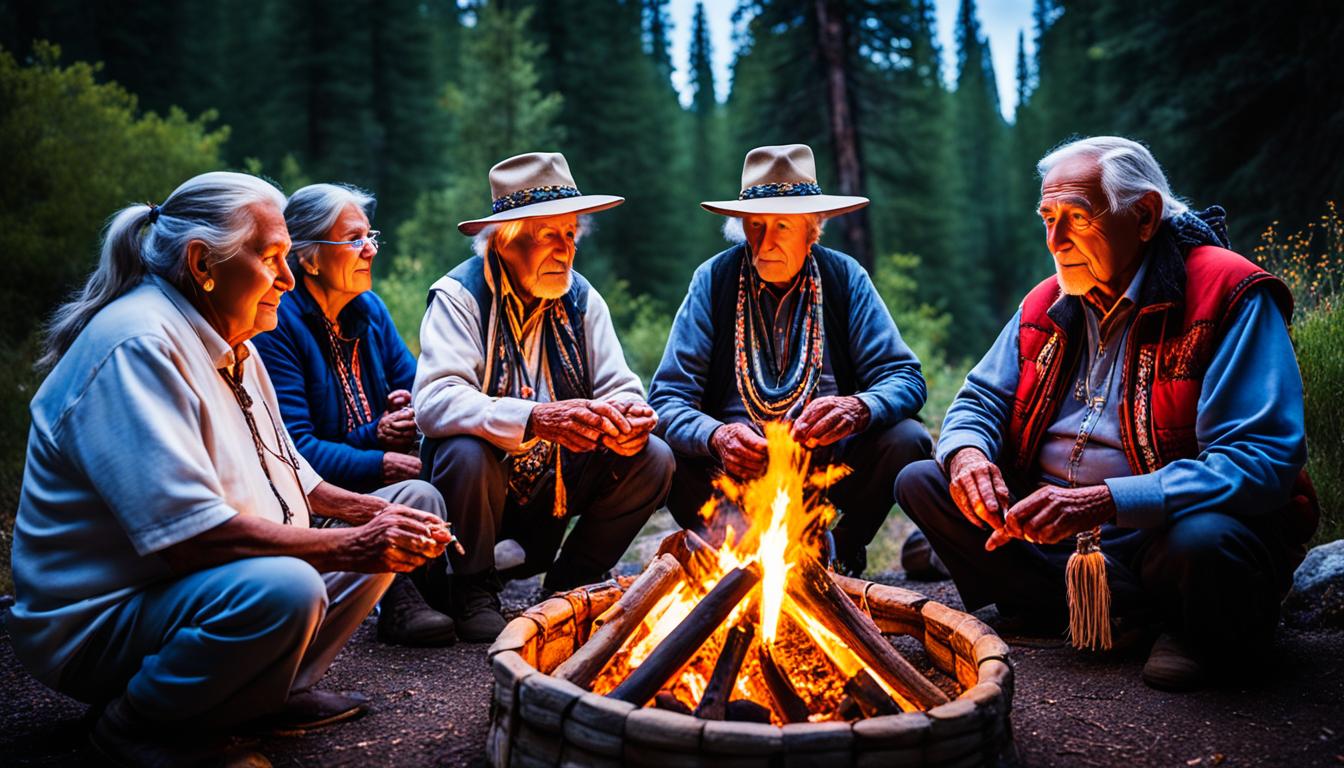
Storytellers in indigenous communities are seen as guardians of their people’s stories. They tell tales that connect with the community’s shared experiences. This helps keep their culture and identity alive. By sharing these stories, storytellers help people feel a sense of belonging and unity, linking them to their heritage and traditions.
Storytelling is a powerful way to build community. When people come together to hear stories, they remember their common roots and values. This shared moment strengthens the bonds between them, making the community stronger.
Storytelling is also a shared experience, with the storyteller and the audience connecting. The storyteller’s skill in captivating the audience brings everyone together, creating a sense of unity and purpose. This helps build a more united and cohesive community.
The Therapeutic Value of Storytelling
Storytelling has always been key in indigenous cultures. It helps keep traditions alive and share knowledge. It’s also a strong way to heal and stay well.
In many indigenous communities, telling stories is a big part of mental health. People share their stories, myths, and legends. This helps them understand themselves and feel better.
Storytelling lets people feel like they belong and understand themselves better. It helps them share their stories and connect with their heritage. This way, they find comfort in knowing they’re not alone.
Storytelling is really helpful for indigenous people facing big challenges. These include historical trauma, losing their culture, and the effects of colonization. Using traditional stories in mental health care helps. It makes sure the help fits the community’s values and beliefs.
This way of focusing on wellness values cultural identity and connection. It sees the importance of feeling tied to ancestral traditions for healing. Through stories, indigenous people can take back their stories. They can speak up and work together for better mental health.
Storytelling and Environmental Stewardship
Indigenous stories share deep insights about the world and our connection to it. They tell of creation, animal spirits, and nature’s cycles. These stories help keep traditional ecological knowledge alive. They guide sustainable use of resources and respect for the earth.
Indigenous Stories and Ecological Wisdom
Indigenous tales are full of lessons on caring for the earth. They show how to balance human and nature’s needs. By saving these stories, we learn from indigenous sustainable ways and their ecological knowledge.
Indigenous stories highlight our bond with animals and the earth. They teach us to protect the land and everything living on it. These stories give us a full view of nature, showing us how everything is connected. They remind us of the importance of living in harmony with nature.
Oral Traditions and the Continuity of Cultures
Preserving indigenous oral traditions is key to keeping cultures alive. Through storytelling, these communities hold onto their identities, values, and ways of life. Even when faced with colonization, assimilation, and modernization, they keep their traditions alive.
Storytelling is a powerful way to share knowledge across generations. It helps keep indigenous cultures going. These stories are full of wisdom and tradition. They’re not just for fun; they keep the culture alive and shared with the next generation.
Indigenous oral traditions are vital for preserving culture. They carry a people’s history, beliefs, and connection to the land. As these stories move from one generation to the next, they help build and keep indigenous identities strong.
Today, with globalization and modernization, saving these traditions is more important than ever. By valuing and supporting these stories, indigenous communities fight against assimilation. They keep their unique views, knowledge, and ways of life alive for the future.
The Role of Technology in Modern Storytelling
Indigenous communities are finding new ways to use technology with their old stories. They’re recording their histories and making digital books and interactive stories. This helps them share their culture with more people, keep their stories alive, and make sure their traditions stay strong.
Adapting Traditional Stories for Digital Platforms
The digital world has opened new doors for indigenous stories. Now, many communities use digital tools to share their tales with people all over the world. They put their stories on social media, apps, and websites to reach new people and share their culture.
This shift to digital storytelling keeps their culture alive and helps people understand and value indigenous cultures more. It connects old oral traditions with today’s technology. This way, indigenous communities can tell their stories in new and exciting ways, helping to keep their culture alive in the digital age.
Challenges in Preserving Indigenous Storytelling Traditions
Keeping the storytelling traditions of indigenous cultures alive is hard in today’s fast-paced world. Cultural erosion, language loss, and globalization’s impact threaten these important oral histories.
One big problem is the loss of indigenous languages. As global languages take over, many traditional stories are at risk. This makes it hard to share these stories with the next generation. Losing languages also weakens cultural identity and cuts off communities from their ancestral knowledge.
Globalization also brings new ways of life and media that can replace indigenous storytelling. As communities blend into mainstream society, their unique stories might get lost to mass media and popular culture.
Yet, indigenous communities are finding new ways to keep their stories alive. They’re using digital tools, language programs, and involving elders to revive their oral traditions. This ensures their stories stay relevant today.

It’s vital to keep indigenous storytelling going. It’s not just for their survival but also for enriching our global community. By supporting these stories, we learn to value diversity and the wisdom in these timeless tales.
Appreciating the Diversity of Indigenous Narratives
Indigenous cultures around the world are like a rich tapestry of stories. Each story shows the unique views, themes, and ways of speaking of its people. From the Arctic’s mythic tales to the Amazon’s folktales, these stories paint a vivid picture of our cultural diversity.
By diving into these stories, we learn more about our complex world. These tales, shared over generations, open a door to the lives, values, and beliefs of different peoples. They push us to see the world from new angles and value the traditions that are different from ours.
Keeping indigenous stories alive is crucial for their culture and wisdom. In today’s connected world, learning from indigenous peoples’ stories is more crucial than ever. By celebrating these stories, we enrich our understanding of humanity and make it more inclusive.
The Future of Storytelling in Indigenous Cultures
Indigenous communities face many challenges today, but their storytelling future looks promising. They’re finding new ways to keep their stories alive in a changing world. By using technology, they’re making sure their culture and traditions stay strong for the future.
Digital tools and new tech are helping indigenous storytellers share their tales with more people. Now, stories can be told through interactive media and virtual reality. This helps connect young people with their heritage in a new way.
It’s also key to pass down stories from one generation to the next. Elders teach the next generation how to tell stories. This keeps the tradition alive and gives young people a strong cultural connection.