Spain is a land full of rich culture and lively celebrations. It draws visitors from all over the world. From the famous La Tomatina food fight to the serious Semana Santa processions, Spain’s Spanish culture, traditions, and festivals offer many exciting experiences. Join us as we explore the heart of these celebrations and customs. We’ll take you on a journey through Spain, showing you the unique spirit of its festivals.
Exploring Spain’s Rich Cultural Tapestry
Spain is a land of amazing diversity. It’s where different traditions and cultural influences have come together. This has created a captivating and unique national identity. From Moorish, Roman, and Iberian roots to traditions from immigrants, Spain’s culture has grown into a vibrant tapestry.
Uncovering the Diversity of Spanish Regional Traditions
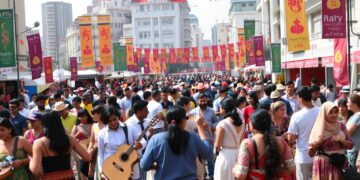
Every region in Spain has its own special customs, festivals, and celebrations. These show the unique heritage and identity of the local people. You can see this in the colorful street parties of Andalusia, the traditional music and dance of Galicia, or the ancient festivals of the Basque Country.
Understanding the Blend of Influences
Spain’s culture has been shaped by many influences. The Moorish legacy is seen in the beautiful architecture and the flavors of Andalusian food. The Roman and Iberian traditions have left their mark on the language, festivals, and art of the Spanish people.
Immigrants over the years have also added to the cultural mix. This has made Spanish culture even more diverse.
Exploring Spain’s cultural tapestry is a journey of discovery. Each region and tradition offers a peek into the nation’s captivating history and vibrant present. From the lively festivals to the unique foods, Spanish culture shows the enduring spirit of a people who celebrate their heritage with pride and passion.
Fiestas: Celebrating Life in Spain
Spanish festivals, known as “fiestas,” are a key part of the country’s culture. They are full of life and tradition. These events celebrate life, community, and the traditions that shape Spain.
From the bright colors and lively music to the fancy costumes and tasty food, fiestas show off Spain’s spirit and heritage. They let people see the country’s vibrant culture.
These celebrations happen all year in Spain, each with its own style and traditions. Everyone, locals and visitors, gets into the fun. They dance to traditional music and try the delicious Spanish food. The streets buzz with laughter, clinking glasses, and the sounds of old traditions.
Events like La Tomatina in Buñol, the Running of the Bulls in Pamplona, and the Semana Santa processions in Seville are unforgettable. They let you feel Spain’s lively spirit. Each fiesta shows the Spanish people’s strength and joy. It’s a celebration of life that goes beyond time and leaves a lasting impression.
La Tomatina: The World’s Biggest Food Fight
Every year, the town of Buñol, Spain, turns into a hub for a unique festival – La Tomatina. It’s known as the world’s biggest food fight. Thousands from around the globe come to join in, using ripe tomatoes as their playful weapons.
The Origins and History of This Quirky Festival
La Tomatina started from a street fight in the 1940s, where people threw tomatoes at each other. Over time, it turned into a planned event. The first La Tomatina was in 1945. Now, it’s a popular tradition, drawing visitors to Buñol every August for the fun.
The Messy Fun and Festivities
On La Tomatina day, Buñol’s streets turn red as people gather for a massive food fight. The event begins with a greased pole with a ham on top. Climbing it is the first challenge.
After getting the ham, the tomato-throwing starts. The streets echo with laughter and the sound of tomatoes hitting everything. After an hour, the town cleans up, enjoying the aftermath of this unique Spanish festival.

Running with the Bulls: The Thrill of San Fermín
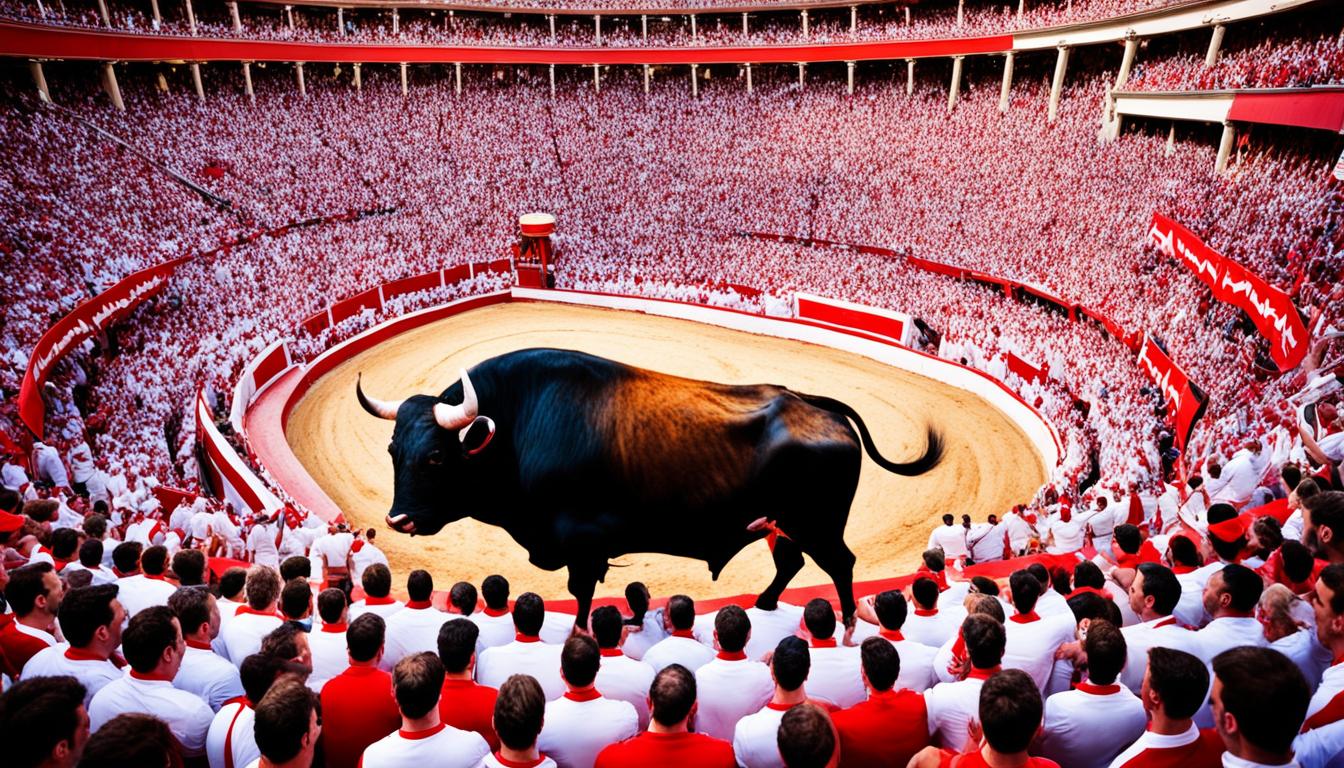
The Running of the Bulls, or “Encierro,” is a key part of the San Fermín festival in Pamplona, Spain. It’s a tradition that has been around for centuries. Brave people race with a herd of bulls through the city’s streets, showing off their bravery and cultural heritage.
The Daring Tradition of Encierro
Every morning during the San Fermín festival, the Encierro happens. Thousands of thrill-seekers, called “mozos,” join to run with the bulls. They show off their agility, courage, and quick thinking as they go through the narrow streets.
This event shows the Spanish people’s strong spirit and their love for the unexpected. It’s an experience that leaves a lasting impression on those who see it.
The Running of the Bulls in Pamplona draws people from all over the world. It’s a key part of the San Fermín festival, which celebrates Spanish culture. With music, dance, and fun, it creates an electric atmosphere. For those looking for an adventure, this event is a must-see.
Culture: The Heartbeat of Spanish Festivals
Spanish festivals are known for their lively cultural traditions. Music, dance, and art are key parts of these celebrations. They make the festivals come alive, showing off Spain’s rich heritage and diversity.
Exploring the Role of Music, Dance, and Art
The sound of flamenco music and the sight of traditional costumes and crafts are big parts of Spanish festivals. Music sets the mood with its catchy tunes, bringing joy and pride. Dance, especially flamenco, wows people with its complex steps and beautiful moves.
Art is also a big deal at these festivals. You’ll see amazing parade floats, lanterns, and sculptures. These artworks make the festivals look stunning. They highlight Spain’s cultural richness and the skill of its artists.
Las Fallas: Valencia’s Fiery Celebration
In the heart of the Valencian region, the Las Fallas festival lights up with vibrant culture and art. It’s a celebration that highlights Spain’s artistic talent. At the center are the “falla” sculptures, made by local artists all year.
The Intricate Art of Falla Sculptures
The falla sculptures are the stars of Las Fallas, towering over the city. They’re made from wood, papier-mâché, metals, and plastics. Each one is a work of art, full of color and satire.
Valencia’s neighborhoods compete to make the best falla sculpture. They work all year on these masterpieces. Artists put their all into every detail.

When the festival ends, the sculptures are set on fire. This symbolizes life’s fleeting nature and the cycle of seasons. It shows the deep traditions and cultural importance of Las Fallas, loved for centuries in Valencia.
Semana Santa: A Profound Religious Tradition
Semana Santa, or Holy Week, is a deeply meaningful tradition in Spain. It shows the country’s rich Catholic heritage. The celebration includes elaborate floats, intricate costumes, and emotional processions. These events highlight the lasting impact of Spanish religious practices on culture.
The Solemn Processions and Rituals
During Semana Santa, communities across Spain gather for solemn processions and rituals. These honor the passion and resurrection of Jesus Christ. The events feature floats called “pasos” that are carried through streets by dedicated teams.
Penitents, wearing distinctive robes and hoods, walk alongside the floats. Their presence adds to the event’s somber mood.
The Cultural Significance of Holy Week
Semana Santa is important in Spain, uniting people from different backgrounds. It’s not just about religion; it also celebrates traditions, art, and music. The festivities show through sculptures, paintings, and traditional hymns, expressing Spanish identity deeply.
Flamenco: A Passionate Dance of Spain
Flamenco is a dance that shows the heart of Spanish culture. It comes from Andalusia, a region in Spain. This dance mixes song, guitar, and dance in a powerful way. It shows the lively spirit of the Spanish people.
Flamenco started from the mix of cultures in Andalusia. It’s more than a show; it’s a way of life. It shows the deep passion and soul of the Spanish people. The dance’s rhythms, hand movements, and singers’ cries create a powerful experience.
Flamenco is more than a dance; it’s the spirit of Andalusia. It shows the lasting traditions of Spain. When people watch Flamenco, they feel the true essence of Spanish culture.
Gastronomy: Savoring the Flavors of Spain
Spain’s culinary world is rich and varied, thanks to its diverse cultures and traditions. From the famous tapas and paella to the handmade cheeses and wines, it offers a tasty trip through its flavors and smells. These have been shaped by Moorish, Mediterranean, and local cooking styles.
At the core of Spanish food is a love for fresh, local ingredients and traditional cooking ways. Whether it’s the seafood dishes from the Galician coast or the thick stews from the Basque Country, each dish shows off the unique land and the cooking skills of its people.
Every bite shows Spain’s cultural heritage, like the saffron rice in paella or the smoky taste of pimentón. Spain’s food scene is a mix of old traditions and new cooking ideas. It invites visitors to enjoy the lively food culture of Spain.